Discover science
Vitamin A increases the concentration of HIV virus in breast milk
Vitamin A may increase the excretion of HIV in the milk of mothers infected with this virus, thereby increasing the risk of mother-to-child transmission.
Browse ScienceInfo articles and explainers related to Hiv Virus.
121 published items.
Vitamin A may increase the excretion of HIV in the milk of mothers infected with this virus, thereby increasing the risk of mother-to-child transmission.

According to the World Health Organization, by the end of 2017, about 37 million people have contracted HIV globally.

Researchers at Yale University in the United States have synthesized an artificial molecule capable of boosting the immune system against HIV.
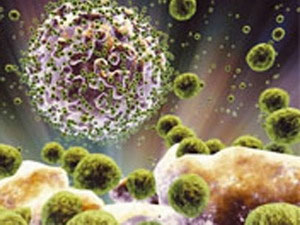
US scientists have successfully prepared an experimental vaccine, which for the first time completely destroys the immunodeficiency virus, similar to the HIV virus that…
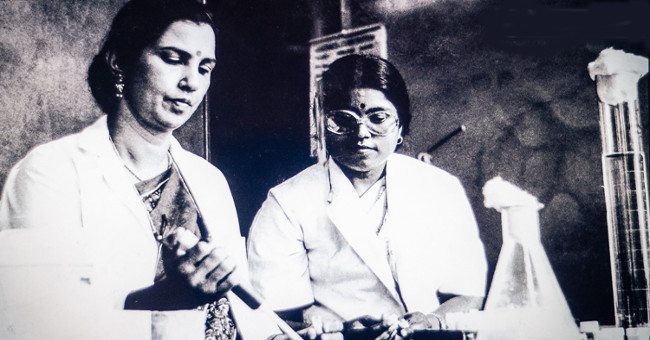
Thirty years ago, India first detected HIV in the country after testing blood samples from six prostitutes.

Stephen Crohn died August 23 in New York at the age of 66 due to suicide and this information was released. His extraordinary disease resistance has helped scientists to…
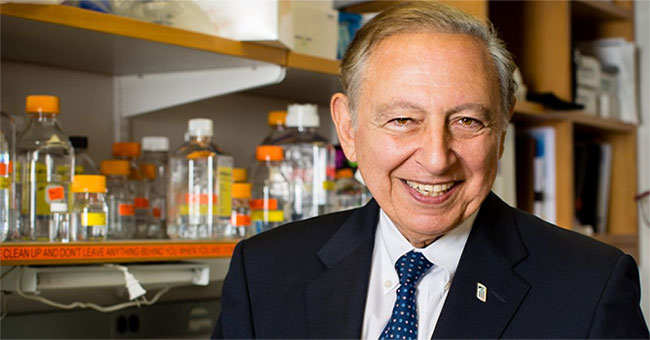
History of finding HIV is extremely complicated. In the early 80s, people knew almost nothing about the mysterious disease that made the body's immune system decline.

The α-terthienyl and quercetin components in marigold flower are resistant to HIV virus and cancer.
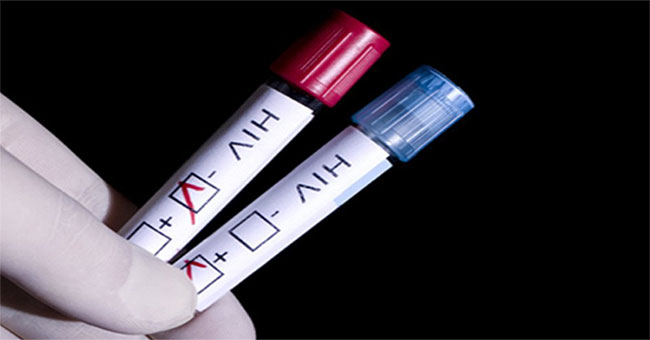
HIV is a disease caused by immunodeficiency virus, the infected person usually has to go through 3 stages.

A parallel trial in Rhesus monkeys showed that the protective effect of this HIV vaccine is up to 67% in HIV protection and treatment.
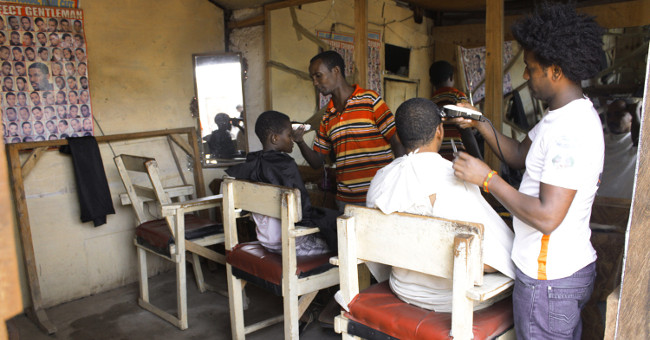
According to Dr. Spengane, although no HIV virus has been found on devices that are delivered to the laboratory, it is theoretically possible to transmit HIV through thi…
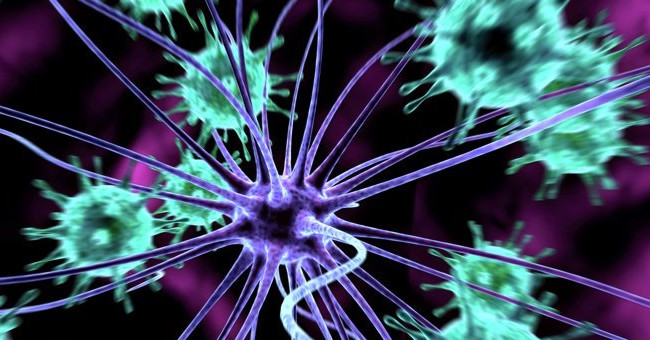
For a long time, a class of self-reactive immune cells that science considered useless, even dangerous to human health, turned out to be a secret weapon.
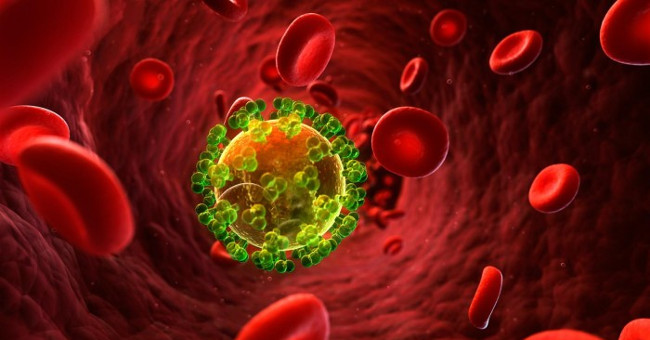
The origin of AIDS and HIV has hurt scientists since the first cases were discovered in the early 80s of the last century.
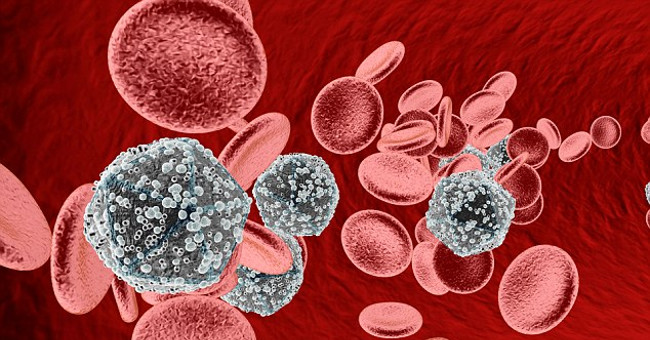
Scientists at the University of California have figured out how some HIV-infected cells become latent and escape the detection of immune mechanisms.